LICENSE #: MHIC162845
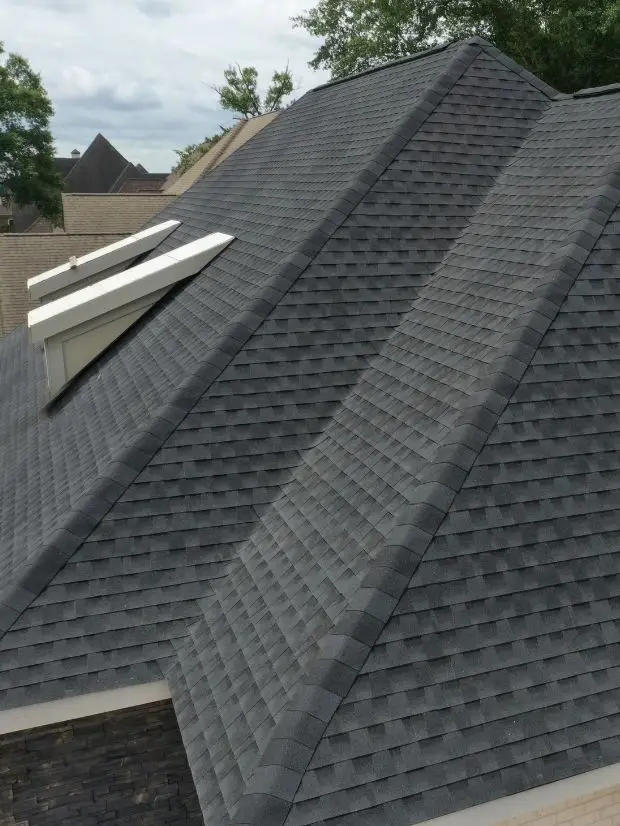
Maryland roofs take a beating from both ends of the calendar. Summer brings heat cycling, sudden downpours, and the occasional hailstorm; winter brings freeze-thaw cycles and ice dams that find every weak point a roof has. The stretch between the two, right now, late summer into early fall, is the best window homeowners in Towson, Perry Hall, Cockeysville, and greater Baltimore have to catch problems before they turn into a mid-winter emergency.
Here’s what to look for before the temperature drops.
1. Granules Collecting in Gutters or Downspouts
If you’re finding gritty, sand-like granules washing out of your gutters after a rainstorm, that’s asphalt shingle material wearing away faster than it should. A few granules are normal aging; a steady buildup usually means UV and weather exposure have worn the shingles’ protective coating down, leaving them more vulnerable to leaks. This is one of the easiest early warning signs to catch, and one of the easiest to miss, since most homeowners never look.
2. Water Stains on Interior Ceilings, Even Small Ones
A small brown ring on a ceiling or the top of an interior wall is often the first visible sign of a roof leak, and it usually shows up long after the leak started. Water can travel a surprising distance along framing before it ever shows up indoors, which is why a stain the size of a dinner plate can point to a much larger issue above it. Catching this before winter matters, because a slow leak that’s manageable in August can freeze, expand, and cause real structural damage by January. See our roof leak repair services →
3. Flashing Issues Around Chimneys and Roof Transitions
Flashing, the metal strips that seal joints where a roof meets a chimney, vent, or wall, is one of the most common failure points on Maryland homes. It’s a small component doing a big job, and once it cracks, lifts, or separates, water has a direct path into the roof deck. Chimneys are especially prone to this because of how much the masonry expands and contracts compared to the roofing material around it. Learn about chimney flashing integration →
4. A Roof Approaching or Past 20 Years Old
Most asphalt shingle roofs in this region are rated for roughly 20-25 years, but real-world lifespan depends heavily on installation quality, attic ventilation, and how many storm cycles the roof has weathered. If your roof is in that age range and hasn’t had a professional inspection recently, it’s worth having someone take a look, not necessarily to replace it, but to get an honest read on how many seasons it realistically has left. Explore roof installation options →
5. Visible Sagging, Ponding, or Uneven Rooflines
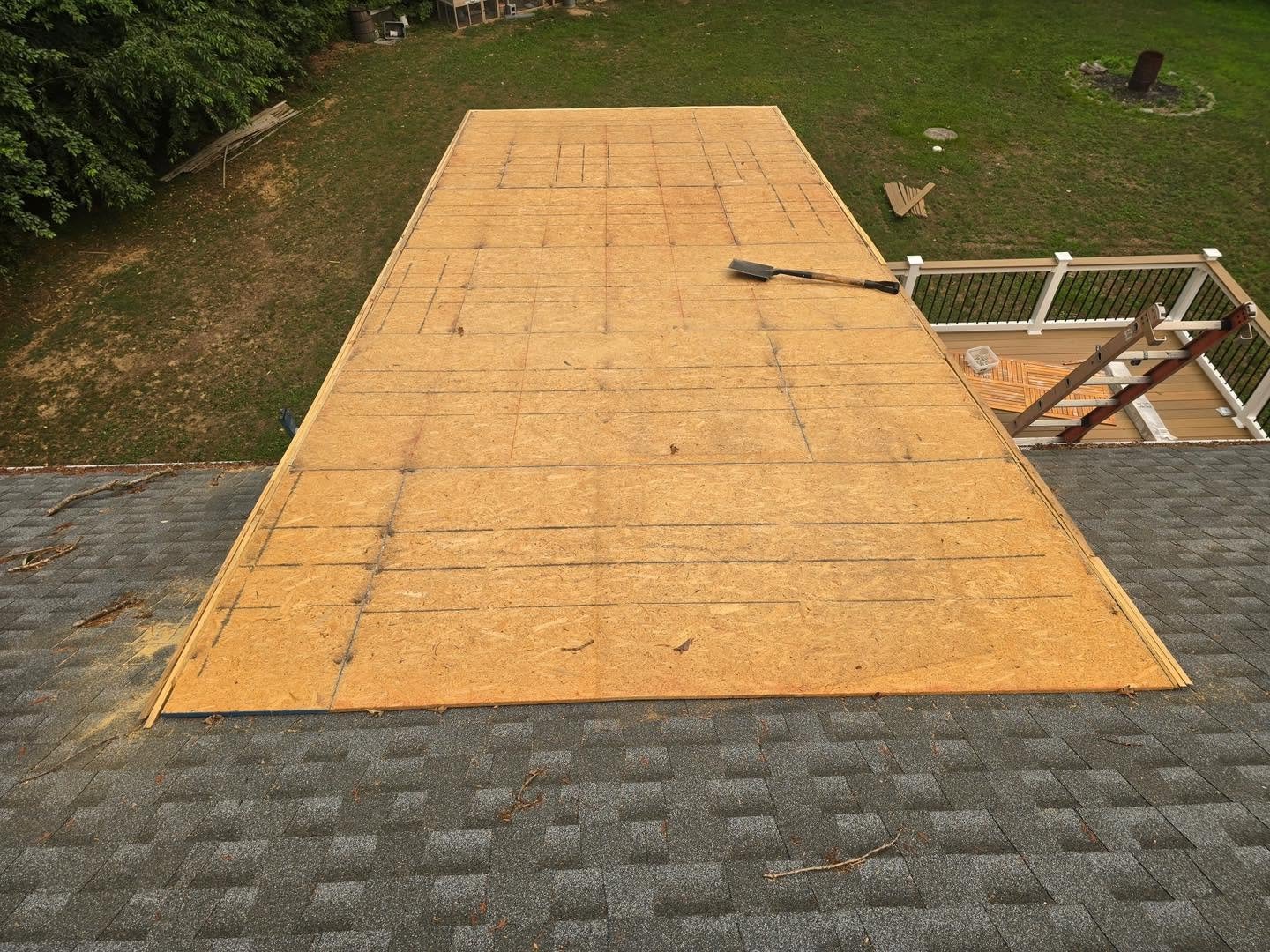
Flat or low-slope sections, common on additions, porches, and some row home roofs, are especially prone to ponding water if drainage isn’t working correctly. Any visible sag, dip, or area where water seems to sit after rain is worth a closer look, since sustained moisture exposure breaks down roofing membrane much faster than normal weathering. This is especially relevant for flat or low-slope applications, where TPO roofing systems are often a better long-term fix than patching the existing membrane repeatedly. See our TPO roofing services →
Why Late Summer Is the Right Time to Check
Roofing contractors in this region get considerably busier once temperatures drop and homeowners start noticing leaks during the first hard freeze, which means longer wait times right when you need help most. Scheduling an inspection now, while weather is stable, gives you time to plan and budget for a repair or replacement on your terms instead of during an emergency.
Get a Roof Assessment Before Winter
All In One MD provides roofing and exterior services across Towson, Perry Hall, Cockeysville, Bel Air, and the greater Baltimore area, from minor repairs and leak fixes to full roof replacements. Contact us to schedule an inspection, or browse our full roofing services.